
Fence Panels Built and Installed to Fit Your Property
Fence panels are the backbone of most residential fences, and getting the material, height, and spacing right makes a bigger difference than people expect. FenceWisePro.com helps homeowners pick panels that match the property and installs them so the whole line stays straight and solid.
Request a free estimate, and we’ll help you sort out what actually fits your yard.
- Panels matched to your privacy, security, and style needs
- Installation that keeps spacing and alignment consistent end to end
- Options for wood, vinyl, aluminum, and chain link panels
Fence Panels and Professional Fence Panel Installation
A fence panel is basically a pre-assembled section, a group of boards, pickets, or a solid piece of material set between two posts. Some fences use individual boards attached one at a time.
Panel systems let a crew work faster and keep the spacing even from one section to the next. That matters more than most homeowners realize until they see a fence where the gaps drift wider toward the end of the line.
Panel material changes almost everything about the fence. Wood panels are common because they’re affordable and can be stained to match a specific look, but they need maintenance over time to prevent graying or warping.
See how every project comes together with our Fence Installation services.
Choosing New Panels Versus Fixing What's There
There’s a real difference between selecting panels for a new fence and swapping out damaged sections on an existing one. New installation means picking material, height, and style from scratch based on the property and what you want the fence to accomplish.
Replacing panels on an existing fence is a narrower job. It means matching what’s already there so the fence doesn’t end up with an obvious patch where one section looks newer or slightly different than the rest.
Choosing the Right Fence Panels
Start with what the fence actually needs to do. If the goal is keeping a dog in the yard, spacing and height matter more than material. If it’s blocking a neighbor’s view of your patio, privacy level matters more than anything else.
If it’s mostly about marking where your property ends, an open style panel does that without the cost of a solid privacy fence. Budget plays into this too, and it’s worth being upfront about it early rather than after panels are ordered. Wood tends to cost less initially but asks for more upkeep down the line.
Vinyl and aluminum cost more at the start but need less attention over the years. Neither is automatically the better choice; it depends on whether you’d rather pay more now or spend a weekend staining a fence every couple of years.
Residential Fence Panels
Most residential fence panels go up in one of a few common spots. Backyards where someone wants a defined, private space for a patio or play area. Side yards connecting the front and back of the property, usually with a built-in gate for access.
Front yards where a shorter, more open panel style marks the property line without blocking the view of the house. Pets and kids shape a lot of these decisions. Spacing that’s too wide lets a small dog squeeze through, and panels that aren’t set firmly can loosen quickly when a larger dog leans on them regularly.
Fence Panel Styles and Materials
Wood panels come in a range of board styles, tight spacing for privacy, wider spacing for a more open look, and options like lattice tops for a decorative edge. You can stain or paint them, but the finish needs occasional upkeep to maintain its look.
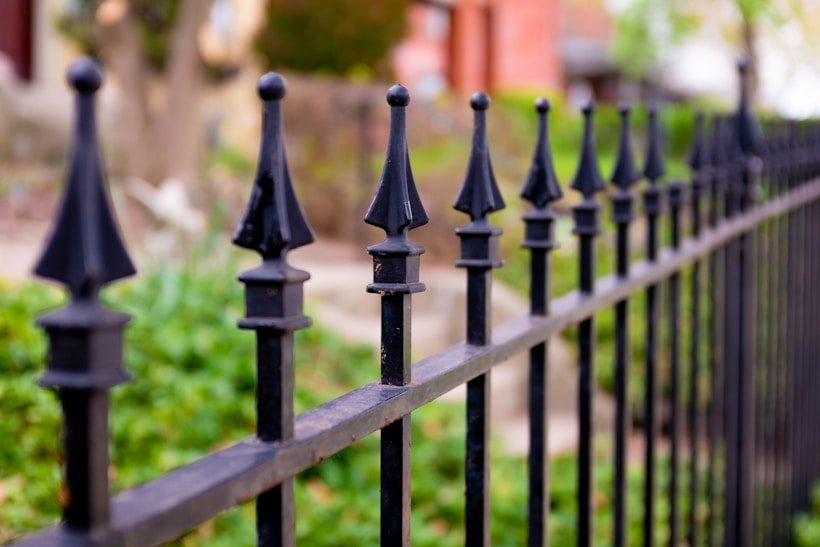
Aluminum panels have an open, decorative look and are often styled to resemble wrought iron. They work well for front yards, pool enclosures, or anywhere you want a boundary without blocking the view entirely. They don’t rust, which makes them a common choice around pools and other damp areas.
Fence Panel Replacement
Panels take damage for a handful of common reasons. Wood rots at the base where it sits closest to the ground and holds moisture. Storms and falling branches can crack or knock loose individual sections. Older fences sometimes lean when a post shifts, pulling the attached panels out of alignment.
Fence panel replacement makes sense when the damage is isolated. If two or three sections took a hit in a storm but the rest of the fence is solid, replacing just those panels is usually more practical than redoing the whole line.
If the damage is more widespread — leaning posts throughout, rot spreading across multiple sections, or a style that’s simply outdated — a full panel replacement across the fence line often makes more sense than patching section by section. If that sounds like your fence, our Fence Repair Services can help.
Choosing Experienced Fence Panel Installers
A panel is only as good as the post it’s attached to and the spacing it’s set at. Loose fasteners, posts that aren’t set to proper depth, or spacing that drifts even slightly from one panel to the next all show up within a year or two.
Usually that shows up as a fence that’s started to lean or gap unevenly. Fence panel installers who take the time to check ground conditions, confirm post depth, and keep spacing consistent across the whole line save homeowners from the callbacks that come with a rushed job.
What to Expect During Fence Panel Installation
The process starts with a conversation about what you want the fence to do — privacy, boundary marking, keeping pets contained — and a look at the property to talk through material and layout options. From there we take measurements and go over panel selection together.
Existing posts get inspected if we’re reusing part of the layout, or new posts get set and given time to cure before panels go on. We then attach the panels and check them for level as we move down the line, and we fit and hang any gates to match. Every gate we install is backed by our Gate Installation Services.
A Clear Path to Your New Fence Panels
FenceWisePro.com keeps the panel selection and installation process straightforward from the first call to the final walkthrough. We want you to know what’s happening at each stage, not just show up on installation day and hope for the best.
Consultation and Estimate
We walk the property, talk through your goals and budget, and provide a written estimate before anything gets scheduled.
Panel Selection and Planning
We finalize material, height, and style together, and plan the layout around gates, corners, and any existing structures.
Installation
We remove old fencing if needed, set or inspect posts, and install panels with attention to spacing and alignment.
Final Walkthrough
We walk the finished fence with you and take care of anything that needs a second look before the job is complete.
Why Homeowners Work With FenceWisePro.com
Choosing the right panels is only half the job; the installation is what determines whether the fence holds up. We focus on getting both parts right, from the initial planning through the last panel going in.
Careful Planning
We look at the property, the layout, and your goals before recommending a specific panel style or material.
Precise Installation
Posts get set to proper depth, and panels get checked for level and spacing as the line goes up, not just at the finish.
Attention to Detail
We check fasteners, gate alignment, and consistent spacing throughout the job, not leaving it for you to notice later.
Customer-Focused Service
We explain your panel options in plain terms and walk the finished fence with you before considering the project done.
Fence Panel Installation Cost
Fence panel pricing depends on a handful of factors rather than a flat number per section. The table below covers what typically affects the cost of a residential project.
| Factor | What It Affects |
|---|---|
| Panel material | Wood, vinyl, aluminum, and chain link carry different material costs |
| Fence length | More panels needed means more material and labor |
| Fence height | Taller panels use more material and often need stronger posts |
| Panel style | Privacy, semi-private, and open styles vary in material used |
| Site conditions | Slopes, obstacles, or rocky ground can add time |
| Existing fence removal | Removing and disposing of old fencing adds to the scope |
We don’t provide pricing without seeing the property, since these factors combine differently on every job. A free estimate gives you numbers based on your actual yard and panel choices.

Let's Build the Right Fence for Your Property
Whether you’re planning a new fence from the ground up or replacing a few damaged sections, the right panels make a real difference in how the finished fence looks and holds up. Contact FenceWisePro.com for a free estimate.
We’ll help you figure out the material, style, and layout that fits your property.
Frequently Asked Questions
How long do fence panels typically last?
It depends heavily on material. Wood panels often last a decade or more with occasional staining, while vinyl and aluminum panels tend to last even longer with very little upkeep.
Which panel style offers the most privacy?
Solid or board-on-board panels block sightlines most effectively. Semi-private spacing lets some light and air through while still limiting direct visibility, and open styles like aluminum or picket panels offer little privacy on their own.
Can individual panels be replaced instead of the whole fence?
In many cases, yes. If damage is limited to a section or two, replacing just those panels is usually more practical, though matching the color and style of weathered material can take some care.
Can fence panels be installed on a sloped yard?
Yes. Panels can be stepped or racked to follow the slope of the property, so the fence still reads as consistent even where the ground isn’t flat.
How long does fence panel installation take?
Most residential projects take a day or two, depending on fence length, material, and whether an old fence needs to come out first.
Can gates be matched to the fence panels?
Yes. Gates are typically built or selected to match the height, material, and style of the surrounding panels so the whole fence line looks consistent.
How do I maintain different panel materials?
Wood benefits from periodic staining or sealing. Vinyl and aluminum need very little beyond occasional cleaning. Chain link generally just needs regular checks for tension and rust spots over time.